Diabetic Foot & Neuropathy Care: Essential Tips for Health
Living with diabetes is a journey that requires constant vigilance, especially when it comes to safeguarding your feet and managing nerve health. While the search for a definitive
cura para diabetes continues, proactive care and informed management are the most powerful tools currently at our disposal. Neglecting your feet and failing to address nerve damage can lead to severe complications, profoundly impacting your quality of life. This article delves into the critical aspects of diabetic foot and neuropathy care, offering essential tips to help you maintain optimal health.
Understanding Diabetic Neuropathy: The Silent Threat to Your Limbs
Diabetic peripheral neuropathy is a common and often debilitating complication of diabetes, stemming from prolonged periods of uncontrolled high blood sugar. This elevated glucose can damage the small blood vessels that supply nerves, particularly in the legs and arms. The result is a gradual deterioration of nerve function, leading to a range of symptoms that can significantly affect daily life.
Initially, neuropathy might manifest as a subtle tingling sensation in the toes or fingers. Over time, this can progress to numbness, burning pain, or a pins-and-needles feeling. What makes peripheral neuropathy particularly dangerous for diabetic individuals is the loss of sensation. When numbness sets in, you might not feel cuts, blisters, or even more serious injuries on your feet. This lack of protective sensation, combined with poor circulation (another common diabetic complication), creates a breeding ground for infections and slow-healing wounds. While the condition can be irreversible, *controlling your blood sugar is paramount* to preventing its progression and potentially lessening existing symptoms. It's a critical step in achieving a form of daily management that brings relief, a vital component in the ongoing quest for a better quality of life and what many consider a daily
cura para diabetes through diligent control.
The Critical Importance of Daily Diabetic Foot Care
For individuals with diabetes, the feet are often the first line of defense against serious complications. Due to impaired nerve function (neuropathy) and reduced blood flow, diabetic feet are highly susceptible to infections and injuries that can quickly escalate. Therefore, a rigorous daily foot care routine is not merely a suggestion but an absolute necessity.
Here’s a detailed guide to keeping your feet healthy:
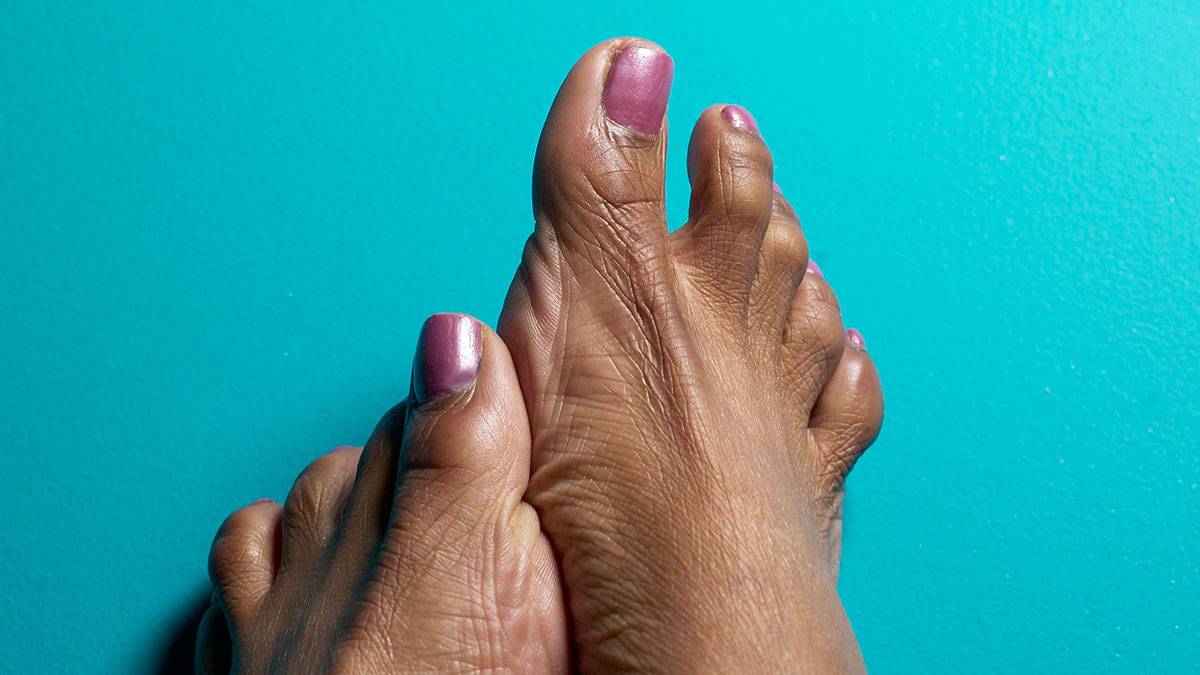
- Daily Inspection: Make it a non-negotiable habit to check your feet every single day, preferably after showering. Look for any changes: cuts, blisters, red spots, swelling, unusual warmth, ingrown toenails, corns, calluses, or changes in skin color. Remember the story of the red speckling that went unnoticed due to socks and poor vision – vigilance is key! Use a mirror to examine the bottoms of your feet and between your toes if reaching is difficult.
- Gentle Hygiene: Wash your feet daily with lukewarm water and mild soap. *Avoid excessively hot water* as neuropathy can impair your ability to sense temperature, leading to burns. Pat your feet dry thoroughly, paying special attention to the areas between your toes to prevent fungal infections.
- Moisturize, but Not Between Toes: Apply a good moisturizer to keep your skin soft and prevent cracking, but avoid applying it between your toes. Excess moisture there can encourage fungal growth.
- Proper Footwear: Always wear shoes and socks, even indoors. Going barefoot exposes your feet to potential injuries from sharp objects or rough surfaces that you might not feel. Choose comfortable, well-fitting shoes that offer good support and have ample room for your toes. Avoid tight shoes, high heels, or shoes with pointed toes. Seamless socks made from breathable materials like cotton or special diabetic socks are ideal as they reduce friction and prevent irritation.
- Nail Care: Trim toenails straight across, not too short, to prevent ingrown nails. If you have thick, brittle, or ingrown nails, or if your eyesight or flexibility is limited, it’s best to have a podiatrist or healthcare professional trim them for you.
- Boost Circulation: Keep your feet moving! Simple exercises like raising your foot, wiggling your toes, and rotating your ankles in circles can significantly improve blood circulation. If you have a desk job, make sure to take breaks to walk around or perform these exercises periodically. Good circulation is vital for nerve health and wound healing.
Lifestyle as Your Ally: Navigating Diabetes Management Beyond Medication
While medication plays a crucial role, lifestyle modifications are often the most impactful strategies in managing diabetes, preventing complications, and in some cases, even achieving remission. These efforts are often seen as the closest pathway to a personal
cura para diabetes for many.
- The Power of Weight Loss for Type 2 Diabetes: For individuals with Type 2 diabetes, losing even a modest amount of weight can have a profound impact on blood sugar control. Even a loss of as little as twenty kilos can significantly improve insulin sensitivity, potentially leading to a reduction in medication or even remission. This makes weight loss one of the most effective non-pharmacological interventions, often described as a form of *reversal* for Type 2 diabetes. To explore this further, you can read our dedicated article: Reversing Type 2 Diabetes: The Power of Weight Loss.
- Never Skip a Meal: This is a golden rule for diabetics, especially those on medication. Skipping meals can cause your blood sugar to drop dangerously low, a condition known as hypoglycemia. If you've planned to eat but find you can't manage a full meal, at least have a quick source of energy. A glass of juice or milk, a piece of fruit, or a small portion of your food can provide the necessary boost to prevent serious illness. Consistency in meal timing helps maintain stable blood sugar levels.
- Strategic Dietary Choices: Beyond consistent meal times, making informed food choices is fundamental. For diabetic children, events like trick-or-treating can pose a challenge. Instead of allowing unrestricted sweet consumption, which could lead to health complications, consider hosting a themed party at home with diabetes-friendly treats and engaging activities. This approach prioritizes health without sacrificing fun, teaching valuable lessons in moderation and adaptation.
Proactive Steps for a Healthier Future: Is a "Cura" Within Reach?
The aspiration for a complete
cura para diabetes is a universal hope. While medical science continues its relentless pursuit, embracing a comprehensive, holistic management program offers the best path to controlling the condition and preventing its most severe complications. This involves not only medication and lifestyle changes but also regular monitoring and a close partnership with your healthcare team.
Advances in understanding and treatment are continuously being made. New alternatives, such as the widely discussed
Cinazon Gota: Unveiling a Potential New Diabetes Solution, are examples of ongoing research and development aimed at providing better options for diabetes management, and perhaps, one day, a definitive cure. However, until such a cure is widely available, our focus must remain on effective management. Regular visits to your endocrinologist, podiatrist, and dietitian are essential for personalized care plans. Monitoring your blood sugar levels consistently provides crucial data for adjusting your treatment strategy.
Conclusion
Diabetic foot and neuropathy care are not just about managing symptoms; they are fundamental to preventing severe complications and maintaining a high quality of life. By understanding the risks, adopting a vigilant daily foot care routine, and making proactive lifestyle choices – including effective weight management for Type 2 diabetes and consistent meal planning – you empower yourself in the journey with diabetes. While the ultimate
cura para diabetes may still be on the horizon, the commitment to comprehensive care and management is your most powerful tool today, allowing you to live a healthier, more fulfilling life free from preventable complications. Your daily actions truly make a difference in your long-term health and well-being.